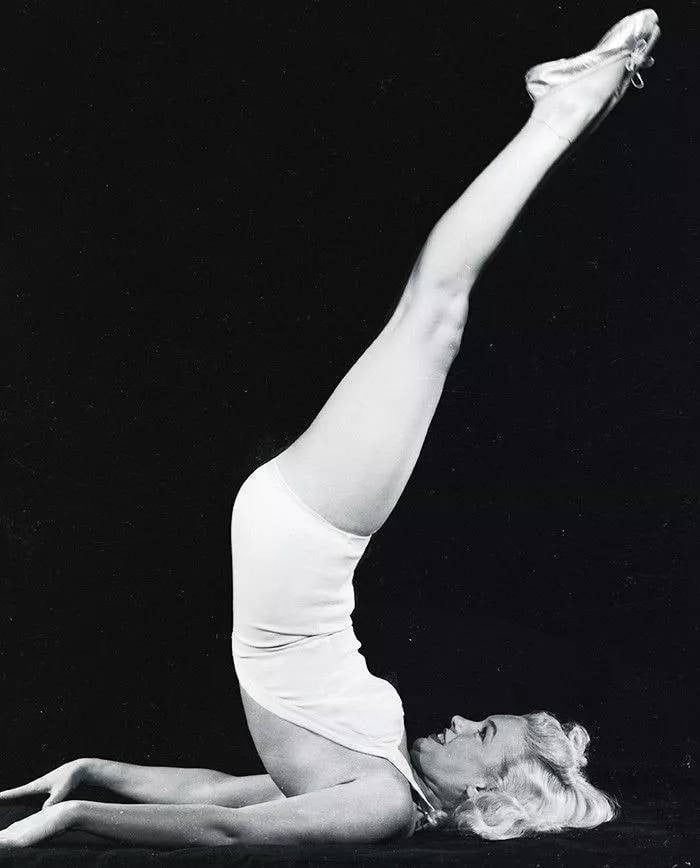
If you were a woman in the late 1800s, the wellness advice coming at you would look very different from what fills our feeds today. Forget running a marathon or lifting heavy. Medical experts, almost entirely men, warned that strenuous exercise could make women less feminine, damage their reproductive health, and even cause infertility.
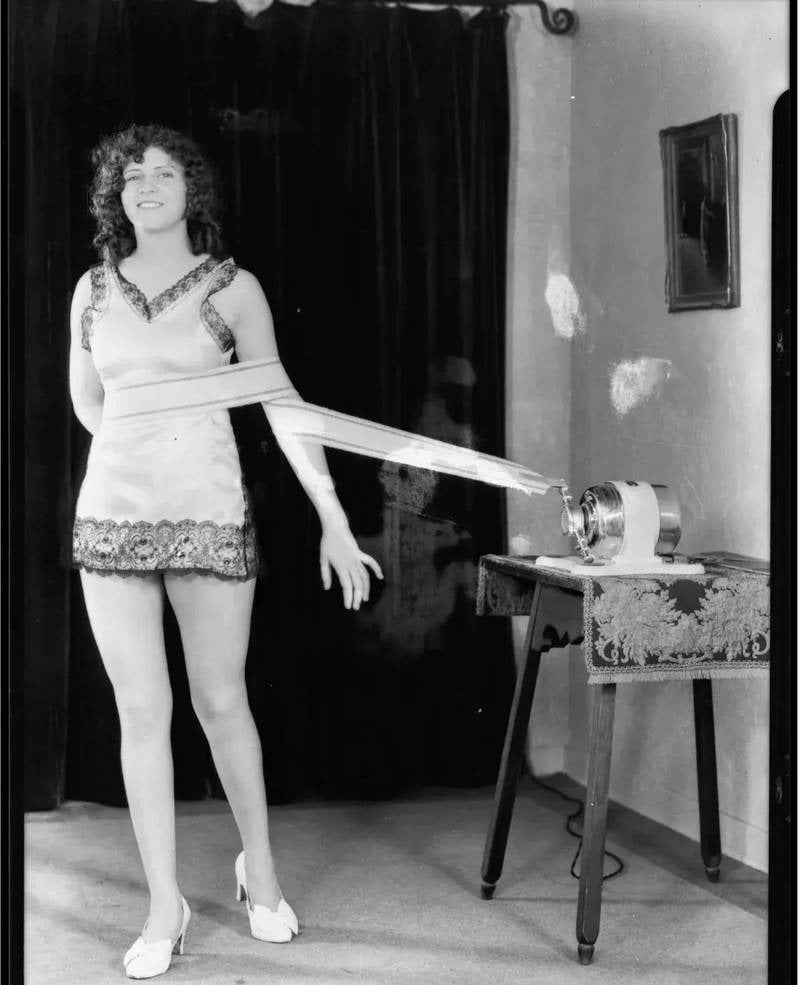
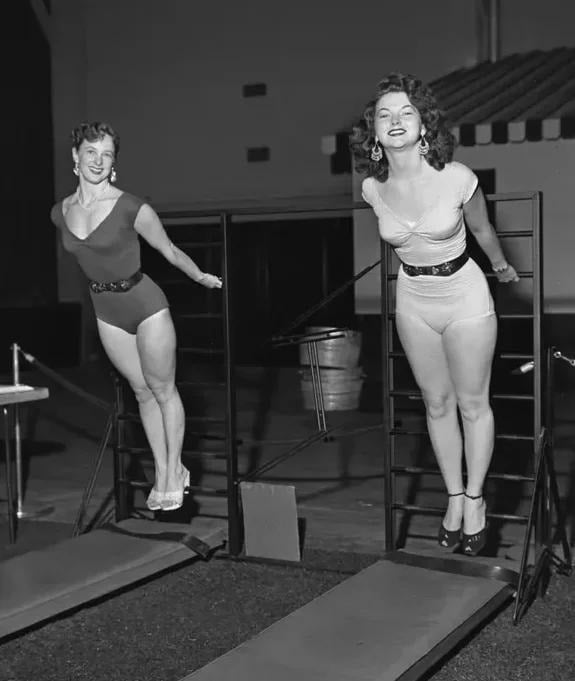
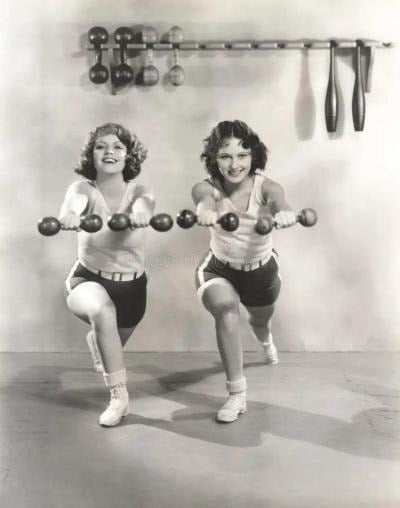
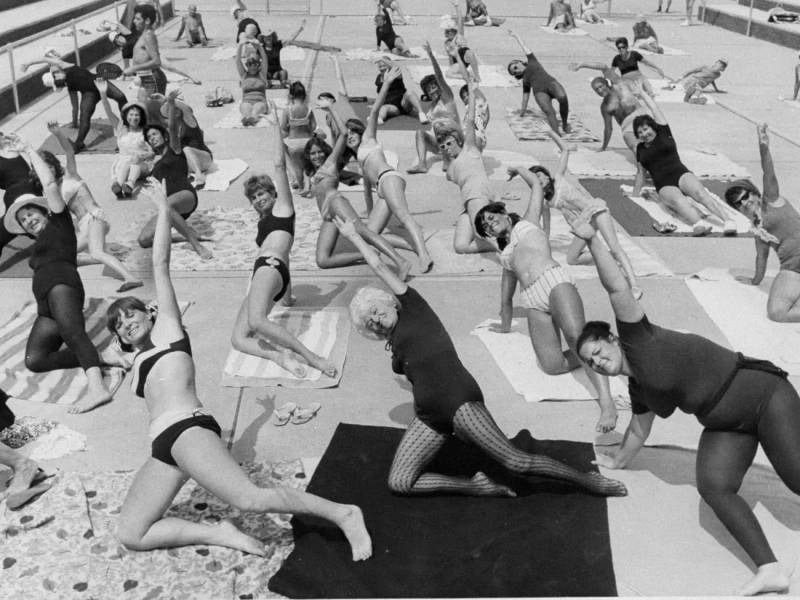
Fast-forward a century and your feed would be completely flipped. By the early 1980s women weren’t being told to conserve their energy anymore.
They were being told to feel the burn.
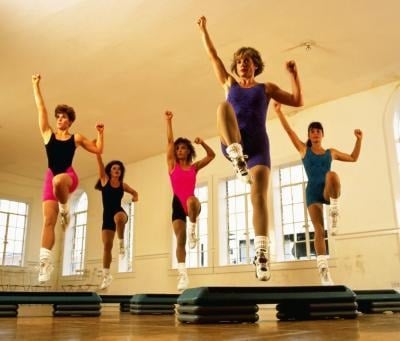
In 1982, Jane Fonda released her first workout video, and suddenly millions of women were exercising with her from their living rooms; leg warmers, leotards, aerobics, high kicks, and all. Jane Fonda’s Workout sold more than 17 million copies, but women were still being handed a blueprint for what fitness was supposed to look like. A century earlier, it was protect your body by doing less. Now it was sculpt it by doing more.
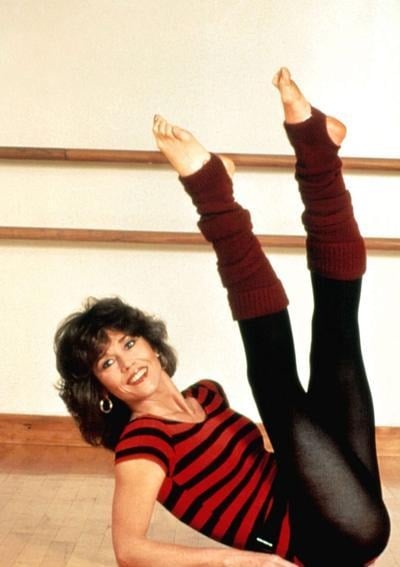
But doing more came with its own fine print.
When Lotte Berk's method arrived in New York back in 1971, it helped introduce American women to a demanding, ballet-inspired workout that would eventually become the foundation for modern barre. The exercises built strength, but the marketing emphasized something else: a shapely body, lean lines, and tone.
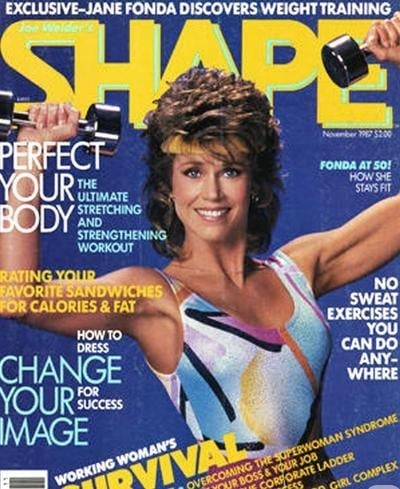
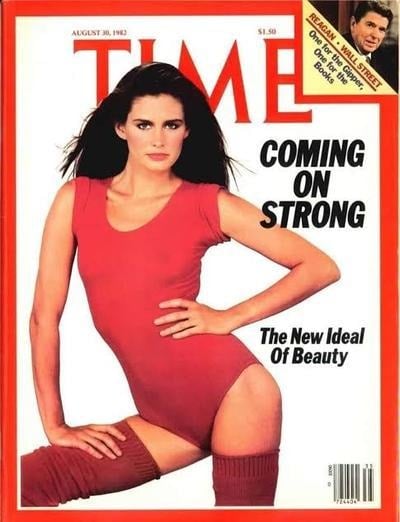
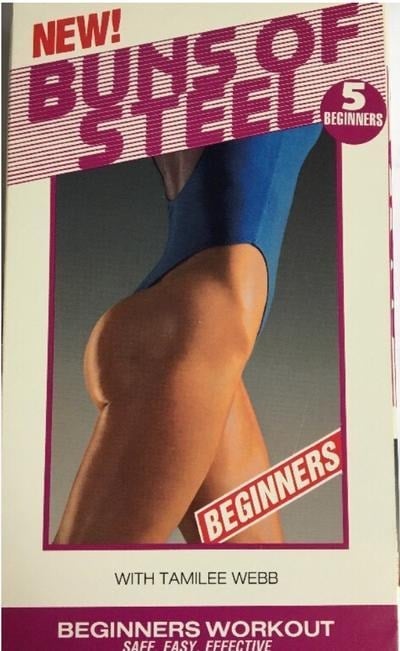
This message became deeply embedded in mainstream fitness culture, which welcomed the female body into exercise largely through the language of appearance: tone this, shrink that, burn calories, sculpt, slim down.
Being active had become acceptable, even desirable. But while the industry kept pushing the “ideal” body, new opportunities for women to compete at a higher level were beginning to shift the focus toward strength, performance, and athletic ability. In the years that followed, women entered competitive sports in record numbers and soon rose to the top ranks.
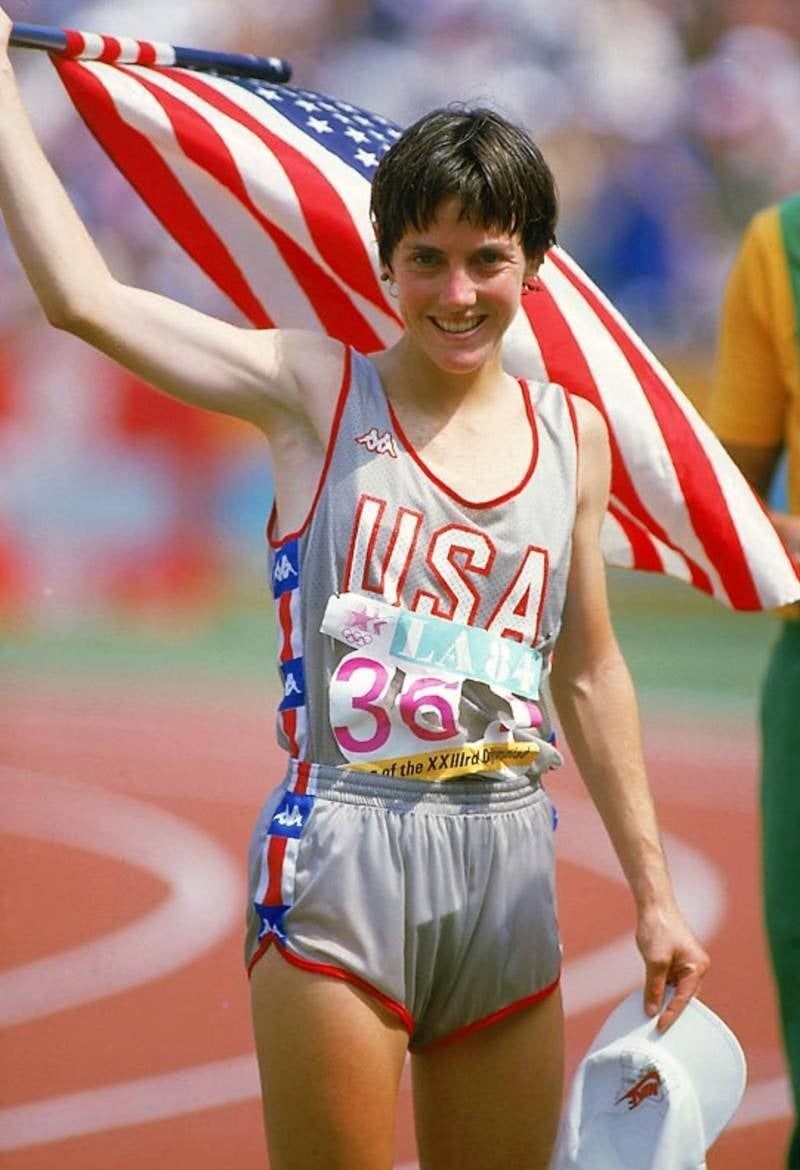
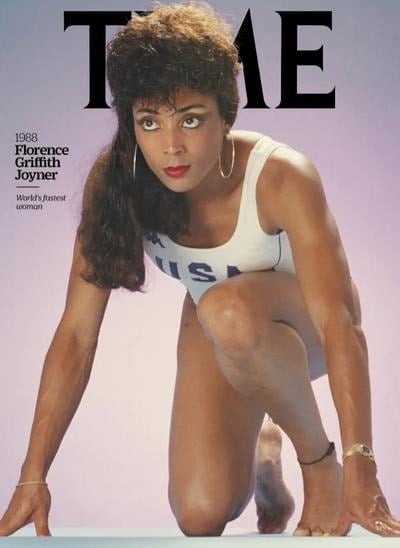
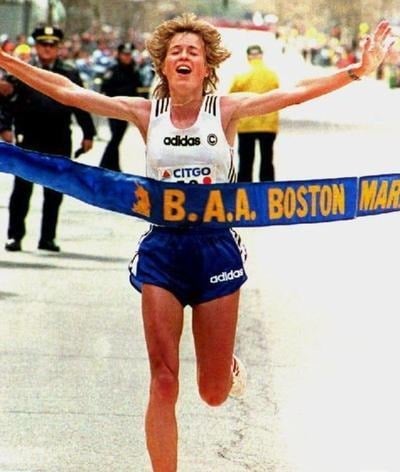
Opportunity, however, was only the beginning. As more women reached the highest levels of sport, a different fight came into focus: whether their performance would be valued equally.
That fight was already unfolding in tennis. In 1973, the U.S. Open became the first Grand Slam to offer equal prize money. Just weeks later, Billie Jean King faced Bobby Riggs in the “Battle of the Sexes” after he had publicly dismissed women’s tennis as inferior. In front of tens of millions of viewers, King beat him in straight sets.
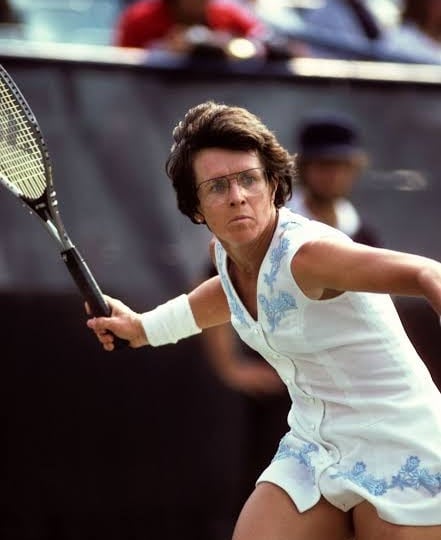
This match was a global spectacle that put women’s athletic ability on one of the biggest stages in the world and challenged assumptions about what women were capable of. But it would still take another thirty-four years for all four Grand Slams to award equal prize money.
Pay Us What You Owe Us
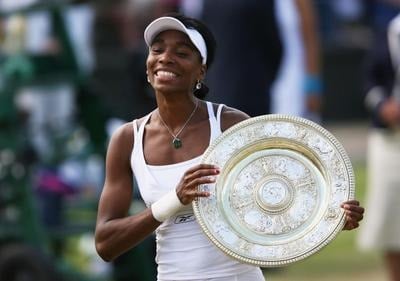
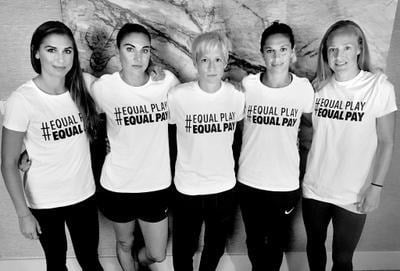
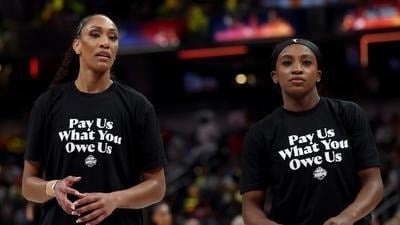
Women’s sports are drawing bigger audiences, attracting more investment, and finally getting the attention they’ve always deserved.
Yet, one of last month’s most visible sports campaigns shifted the spotlight somewhere painfully familiar: back toward desirability.
Sports prediction company Novig released a campaign featuring Sydney Sweeney, nearly nude, strategically covered with footballs, basketballs, and other sports equipment.
The backlash was immediate. Female athletes criticized the campaign for once again centering a sexualized image of women in sports. British sprinter Amy Hunt responded moments after competing: “Sydney Sweeney, this is what women in sport look like.” Other athletes followed, sharing footage of themselves sprinting, lifting, swimming, cycling, and competing.
Some athletes and commentators defended Sweeney’s autonomy, arguing women shouldn’t be shamed for presenting themselves sexually.
But the problem goes beyond one advertisement. It’s about the messages we continue to amplify, reward, and expect from women in spaces they have fought for generations to be recognized.
The standards keep changing, but the pressure never does. Don’t exercise too hard. Exercise, but don’t get too muscular. Stay small. Be toned. Be strong. Compete. Win. Prove your value. Demand to be paid accordingly. And, of course, stay desirable while doing it.
Maybe the next chapter of women’s fitness doesn’t have a standard at all.
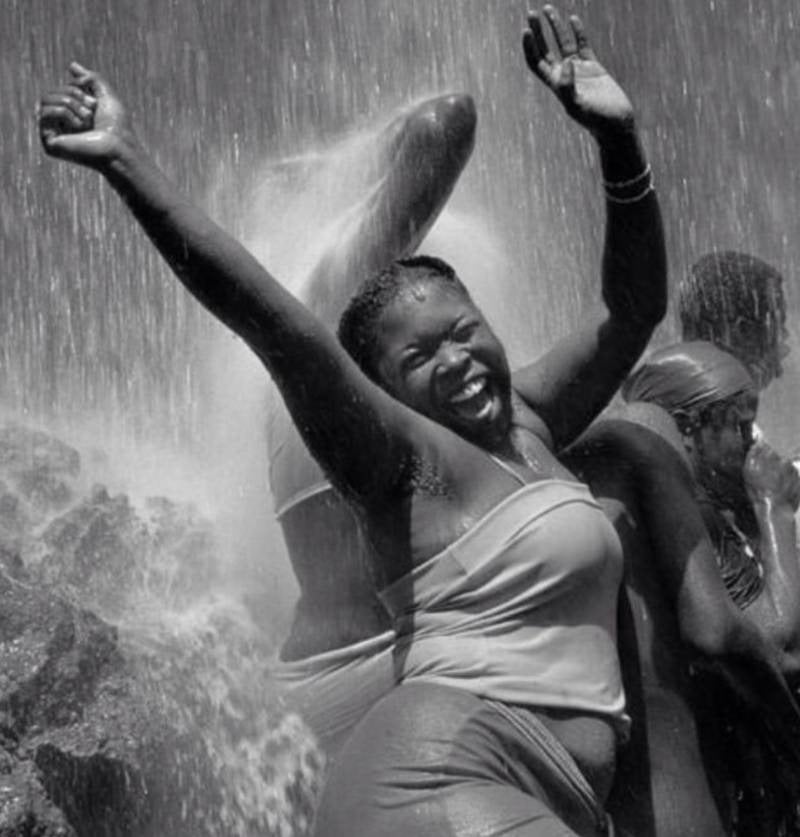
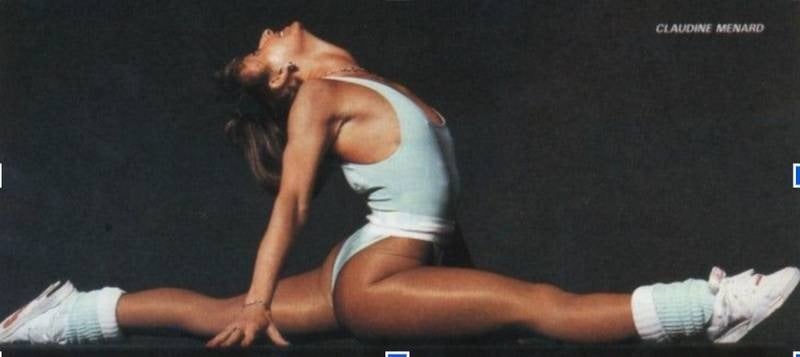
Because when you ask what a fit woman looks like, the answers are infinite.
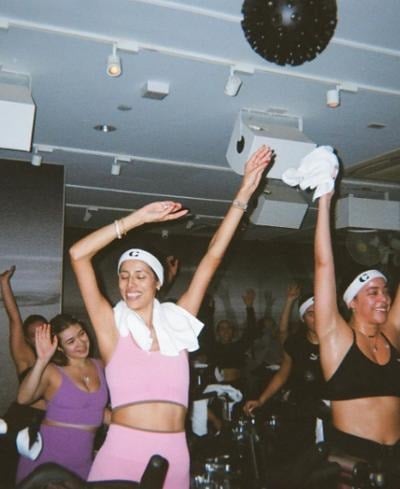
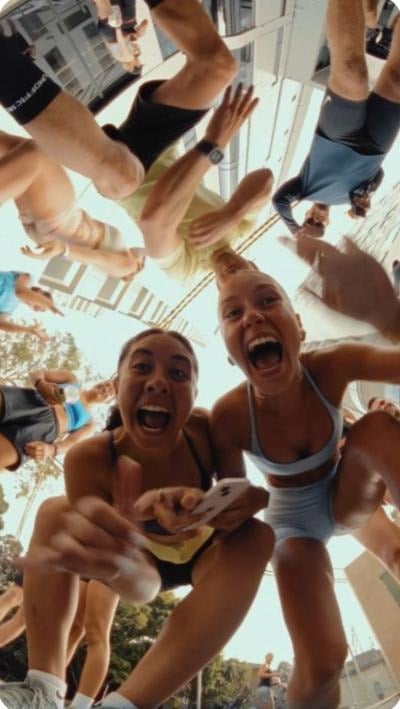
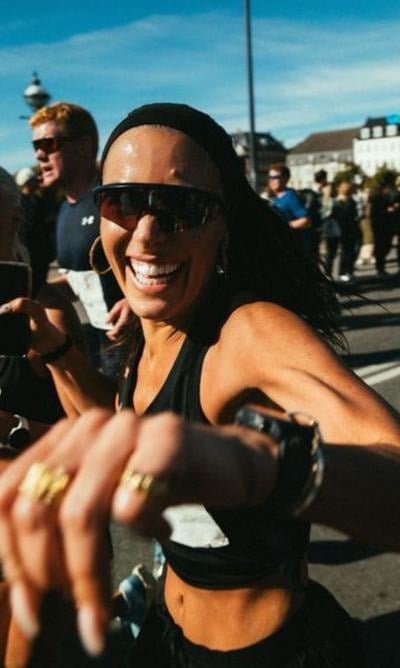
It’s the woman training for her first 5K, the Olympic sprinter, the woman lifting heavy because she loves getting stronger, the woman doing Pilates because it makes her feel good, the marathoner chasing a PR, and the person walking every morning because that’s the movement that fits her life.
Fitness can be performance, health, strength, longevity, competition, confidence, stress relief, community, or simply doing something because of how it makes you feel.
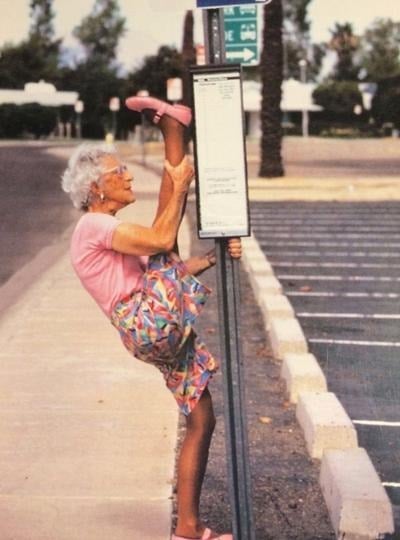
After generations of being told what fitness should be, women should finally get to define it for themselves.